




Mind The Gap


Is there a gap between men and women's healthcare?

The Statistics

In conditions that affect both sexes, men are investigated and treated more extensively than women with the same severity of symptoms

In studies where the number of patients and the severity of the disease did not differ between men and women, there was far more expenditure for clinic-based treatment for male patients

In a retrospective study of intensive care use, women were less likely than men to be admitted to intensive care units or receive life-saving interventions

Research indicates that physicians are more likely to interpret men's symptoms as organic and women's as psychosocial

Gender Bias in Medicine - Katarina Hamberg, 2008

Why is there a gap?

The reasons behind why there is a gender gap in healthcare are difficult to pin down, as they stem from an array of social, cultural, economic and psychological issues

However, there is one flawed assumption that forms the basis of modern medicine and healthcare that we can attribute the gender gap to:

Research carried out in male participants can be extrapolated to women i.e. if it works for men, it should work for women

Business woman on cliff in front of gap
Jump Vectors by Vecteezy

The Reality

There are several physiological differences between the sexes, ranging from chromosomes to lung capacity to hormones to reproductive systems

By assuming male and female anatomy are equal, and taking into consideration social and cultural biases during the birth of western medicine, clinical and scientific research to date has primarily been based on male anatomy and the male body's response to medications

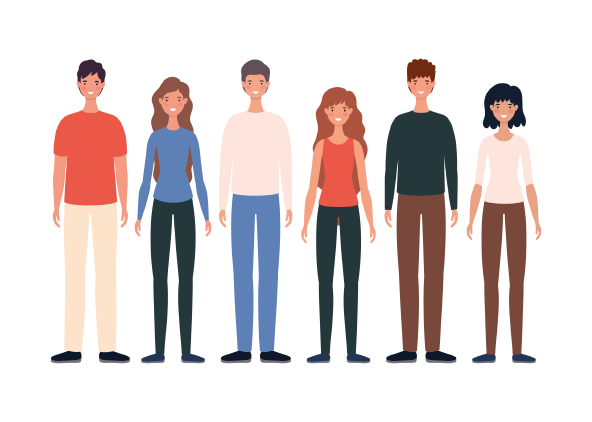
Men and women standing in a line
Human Vectors by Vecteezy

The Main Issues

  1. In conditions that affect both sexes, symptoms that may present differently in women as compared to men are largely ignored or dismissed as HCPs are only taught to recognise typically male-presenting symptoms
  2. Side effects for approved medications are male-specific, leading many women to believe that side effects they experience are either psychological or unrelated to the medication, which can lead to more severe consequences if the medication continues to be taken
  3. Sex-specific health issues, such as reproductive health disorders, take a backseat to other non-sex-specific conditions in clinical research and HCP/public education, leaving many women with long diagnostic odysseys and few treatment options
    • This applies to male reproductive health disorders as well, but due to anatomical differences (monthly menstrual cycles, pregnancy, shorter urinary tracts) the prevalence and severity/impact on life of these disorders are much higher for women